Charting Love: The Way Couples Guidance Can Strengthen Your Relationship
Moving through the challenges of love often creates challenges that can test even the most resilient relationships. Couples counseling delivers a structured approach to resolve these issues, promoting open communication and mutual understanding. By investigating feelings and reestablishing trust, partners can reveal pathways to stronger connection. Yet, many stay hesitant about seeking help. What might they learn about themselves and their relationship in the process? The answers may amaze them.
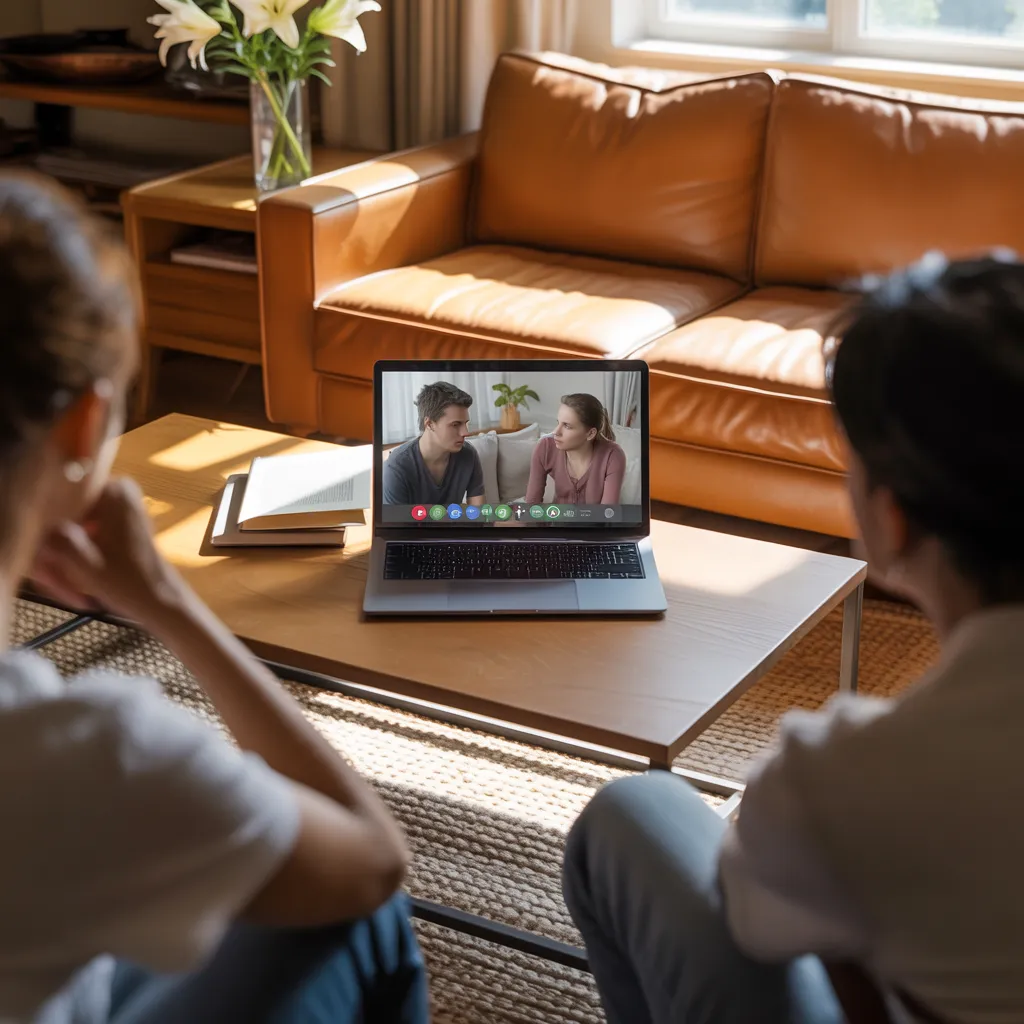
Typical Problems in Marriage Counseling
Couples often seek counseling when they encounter persistent issues that hinder their relationship. Typical issues involve communication failures, where couples find it difficult to convey their emotions or misinterpret one another. Trust challenges regularly develop from former betrayals or personal insecurities, causing emotional remoteness. Numerous partners additionally struggle with conflicting principles or aspirations, generating tension and dissatisfaction. Intimacy problems, whether emotional or physical, can further exacerbate tensions, leaving one or both partners feeling unfulfilled.
The ability to resolve conflicts typically needs enhancement, as unsettled disagreements can deteriorate into lingering animosity. Fiscal anxiety stands as another frequent problem, shaping day-to-day engagement and long-range goals. Additionally, external pressures from family or work can strain the partnership. Acknowledging these typical problems is vital, because they frequently function as triggers for obtaining professional guidance, allowing for enhanced insight into individual partner needs and cultivating more positive interactions.
The Benefits of Seeking Professional Help for Your Relationship
Seeking professional help can be a powerful step for couples navigating challenges in their relationship. Engaging with a qualified counselor offers a safe space for open communication, permitting individuals to express feelings that may be challenging to articulate otherwise. This environment promotes understanding and empathy, helping partners to view issues from each other's perspectives.
Additionally, couples counseling furnishes partners with crucial tools and strategies to navigate conflicts more effectively. These competencies can strengthen emotional intimacy and elevate overall relationship satisfaction. Professional guidance also helps identify underlying patterns and triggers that cause recurring conflicts, creating a clearer path toward resolution.
In addition, obtaining help indicates a commitment to the relationship, indicating that both partners value their bond and are ready to invest effort in its growth. Ultimately, the positive outcomes of professional intervention can lead to healthier dynamics, greater trust, and a renewed sense of connection.
Grasping Marriage Counseling and Its Process
Couples counseling serves as a structured approach to guide partners address relationship challenges. Understanding its foundational steps is crucial for maximizing the advantages of therapy. This section will describe what couples counseling entails and the process involved in seeking a resolution.
Understanding Couples Counseling
When partners experience continuous struggles in their relationship, couples counseling can provide a structured environment to address these concerns. This therapeutic approach incorporates a trained professional who facilitates discussions between partners, seeking to improve communication and understanding. Couples counseling concentrates on identifying patterns of behavior and emotional responses that may lead to conflicts. It permits partners to express their feelings in a safe space, cultivating empathy and connection. Sessions typically involve exploring individual perspectives and shared experiences, which can lead to deeper insights into the relationship dynamics. By pursuing couples counseling, partners have the opportunity to build healthier coping strategies, rebuild trust, and enhance intimacy, ultimately working towards a more fulfilling relationship.
Key Steps In The Process
Guiding the journey of couples counseling encompasses a series of structured steps designed to foster understanding and facilitate healing. Initially, couples engage in an assessment phase, where they examine their relationship dynamics and individual concerns. This is succeeded by the goal-setting phase, enabling partners to articulate their desires for change. During sessions, therapists facilitate discussions, encouraging open communication and active listening. Couples learn to identify patterns of behavior and explore underlying issues. As progress is made, strategies and coping mechanisms are presented to help partners navigate conflicts effectively. Eventually, as couples approach resolution, they reflect on their journey, celebrating growth and establishing tools for future challenges, ensuring a lasting impact on their relationship.
Choosing the Right Couples Counselor for Your Needs
Choosing the right couples counselor entails thoughtful consideration of their qualifications and experience. It is also essential to investigate the different counseling approaches they utilize to confirm alignment with the couple's particular needs. Understanding these factors can significantly impact the effectiveness of the counseling process.
Reviewing Credentials And Experience
How can couples make certain they choose the right counselor for their individual needs? Examining qualifications and experience is essential in this decision-making process. Couples should emphasize counselors who hold appropriate degrees in psychology, social work, or counseling, as these credentials reflect a foundational knowledge of relationship dynamics. Moreover, specialized training in couples therapy, such as Emotionally Focused Therapy or the Gottman Method, can improve the counselor's effectiveness. Experience is important, too; a counselor with a proven track record in successfully handling similar issues can provide tailored guidance. Couples should also think about seeking reviews or testimonials, verifying the counselor's approach matches their values and expectations. Ultimately, a thorough evaluation of qualifications and experience establishes the foundation for a successful counseling journey.
Exploring Therapeutic Strategies
While working through the complexities of relationships, couples often find that the approach a counselor implements can substantially influence their therapeutic journey. Different counseling methodologies exist, including Emotionally Focused Therapy (EFT), Cognitive Behavioral Therapy (CBT), and Imago Relationship Therapy. Each provides unique strategies customized to different needs. For instance, EFT focuses on emotional bonding, while CBT emphasizes changing negative thought patterns. Couples should consider their specific challenges—communication issues, trust deficits, or differing values—when selecting a counselor. A good match can increase engagement and foster positive outcomes. Ultimately, understanding these approaches allows couples to make informed decisions, ensuring that their counseling experience matches with their personal goals and relationship dynamics.
What You Should Expect During Your First Couples Therapy Session?
Walking into a couples counseling session for the first time can trigger a mix of curiosity and apprehension. Couples may be curious about the structure of the session and what the counselor will inquire about. Usually, the initial meeting focuses on establishing a safe environment, enabling both partners to share their concerns and feelings. The counselor may encourage each person to share their perspective on the relationship, encouraging open communication.
Anticipate discussing the relationship's background, including good times and challenges. This exploration enables the counselor pinpoint underlying issues. The couple may also set goals for therapy, outlining what they hope to achieve. Throughout the session, the counselor will facilitate dialogue, ensuring that both partners feel listened to and honored. All in all, the first session provides a foundation for future discussions, helping couples grasp the benefit of counseling in navigating their relationship challenges.
Proven Methods to Optimize Your Couples Counseling Sessions
Maximizing the success of couples counseling sessions requires deliberate preparation and active engagement from both partners. To commence, couples should define clear objectives for their counseling process, pinpointing specific matters they wish to address. This focus can steer discussions and ensure that sessions remain effective.
Effective listening is crucial; both individuals should exercise empathy and resist cutting each other off. This cultivates a protected setting for transparent conversation. Additionally, couples are encouraged to participate in homework assignments or exercises recommended by the counselor, as these can enhance principles discussed during sessions.
Frequently pondering on progress outside of counseling can also enhance the effectiveness of the process. Couples should reserve view this time to assess their feelings and insights between sessions. Finally, maintaining a positive attitude and being open to change can considerably shape the success of their counseling experience, cultivating a deeper connection and understanding.
Questions & Answers
How Long Do Couples Counseling Sessions Typically Continue?
Couples counseling typically lasts between six to twelve sessions, according to the particular concerns and goals. Each session generally spans around 50 minutes, giving couples to examine their concerns and develop better communication strategies.
Is Couples Counseling Effective for Long-Distance Relationships?
Relationship counseling may be highly effective for long-distance relationships, as it presents strategies for effective communication and dispute management. Licensed counselors aid partners navigate specific difficulties, cultivating intimate bonds notwithstanding physical separation, in the end increasing relationship satisfaction.
What Should You Do if One Partner Refuses to Attend Counseling?
Should one partner be disinclined to engage in counseling, progress may reach an impasse. The other partner can nevertheless pursue individual therapy, promoting personal growth and gaining insights that could encourage change or open communication in the relationship.
Do Couples Counselors Use Specific Techniques?
Marriage counseling implements diverse approaches, including engaged listening, interaction drills, role-playing, and dispute management techniques. These strategies strive to enhance comprehension, cultivate empathy, and improve interpersonal interactions, consequently leading partners to healthier interactions and resolutions.
How Can We Measure Our Progress in Counseling?
Development in counseling can be gauged through strengthened communication, decreased conflict frequency, increased emotional intimacy, and the effective implementation of coping strategies. Consistent feedback sessions with the counselor also give insight into each partner's development.